




































Transparency means knowing exactly what you apply to your skin or what substances you introduce into your body — below, we present the essential principles for decoding a label.
1. The Rule of Order in the INCI List
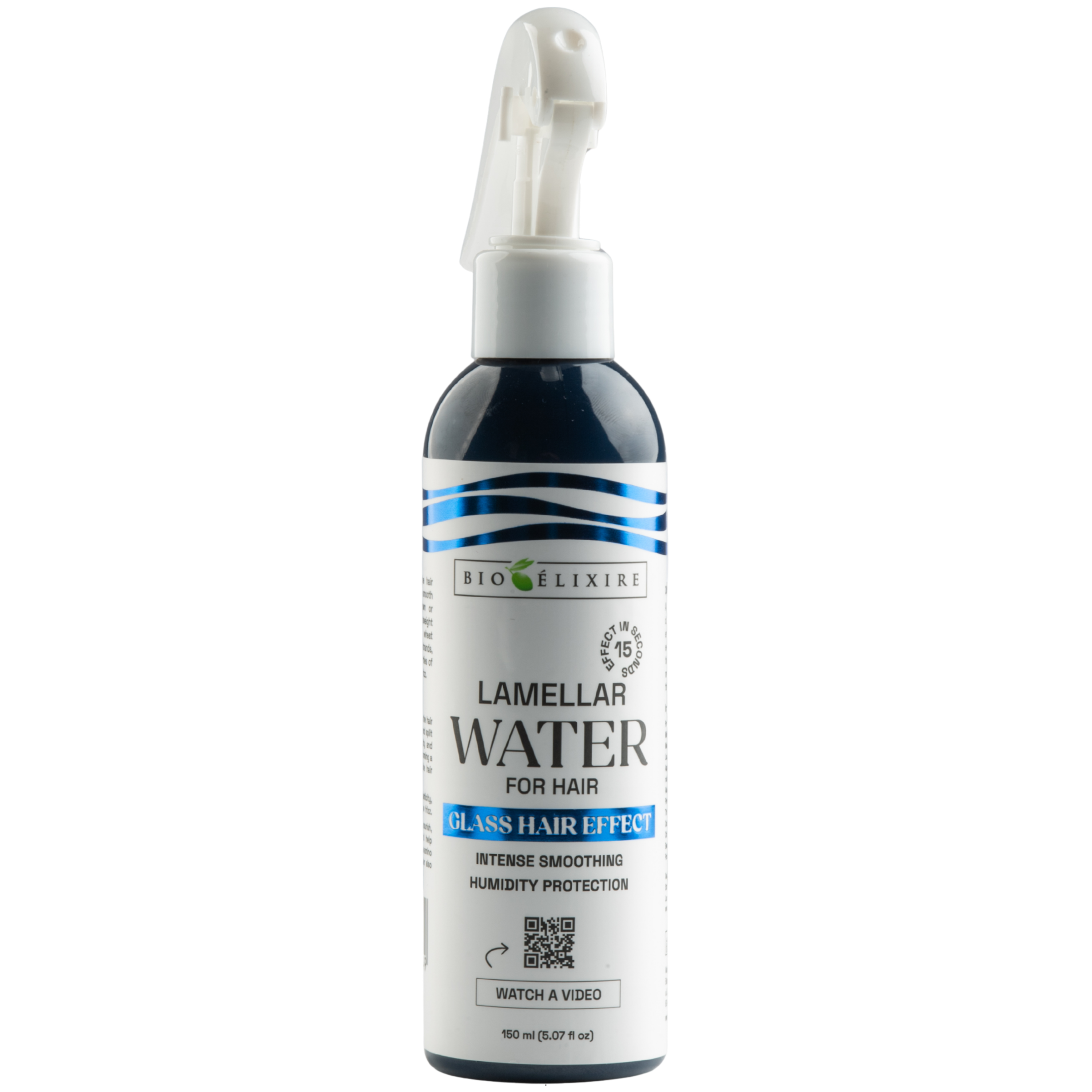
In cosmetic products, ingredients are listed in descending order of their proportion in the formula (INCI — International Nomenclature Cosmetic Ingredient), mandatorily in English, and in many cases the substance name is converted into a harmonized code. The first 3–5 ingredients usually make up between 70% and 90% of the product base (often water, plant oils, or solvents). Ingredients present in concentrations below 1% may be listed in any order at the end of the list.
This means that an ingredient heavily promoted on the packaging, but listed after fragrance or preservatives, is present in the product formula only in symbolic amounts.
2. Concentration: When “More” Does Not Mean “Better”
A common mistake is looking for the highest possible concentrations (for example, 10% niacinamide or high-dose AHA acids). In dermatology and skin care, excessive concentrations exponentially increase the risk of irritation — proven causes for various conditions — without doubling the benefits. In many cases, an active ingredient reaches its optimal efficacy at just 2%–5%; after that, as the concentration increases, efficacy decreases. The balance of the formula, the final pH, or the purpose of the product is often more important than the raw percentage of a single trending ingredient.
3. The Chemical Form Makes the Difference in Food Supplements
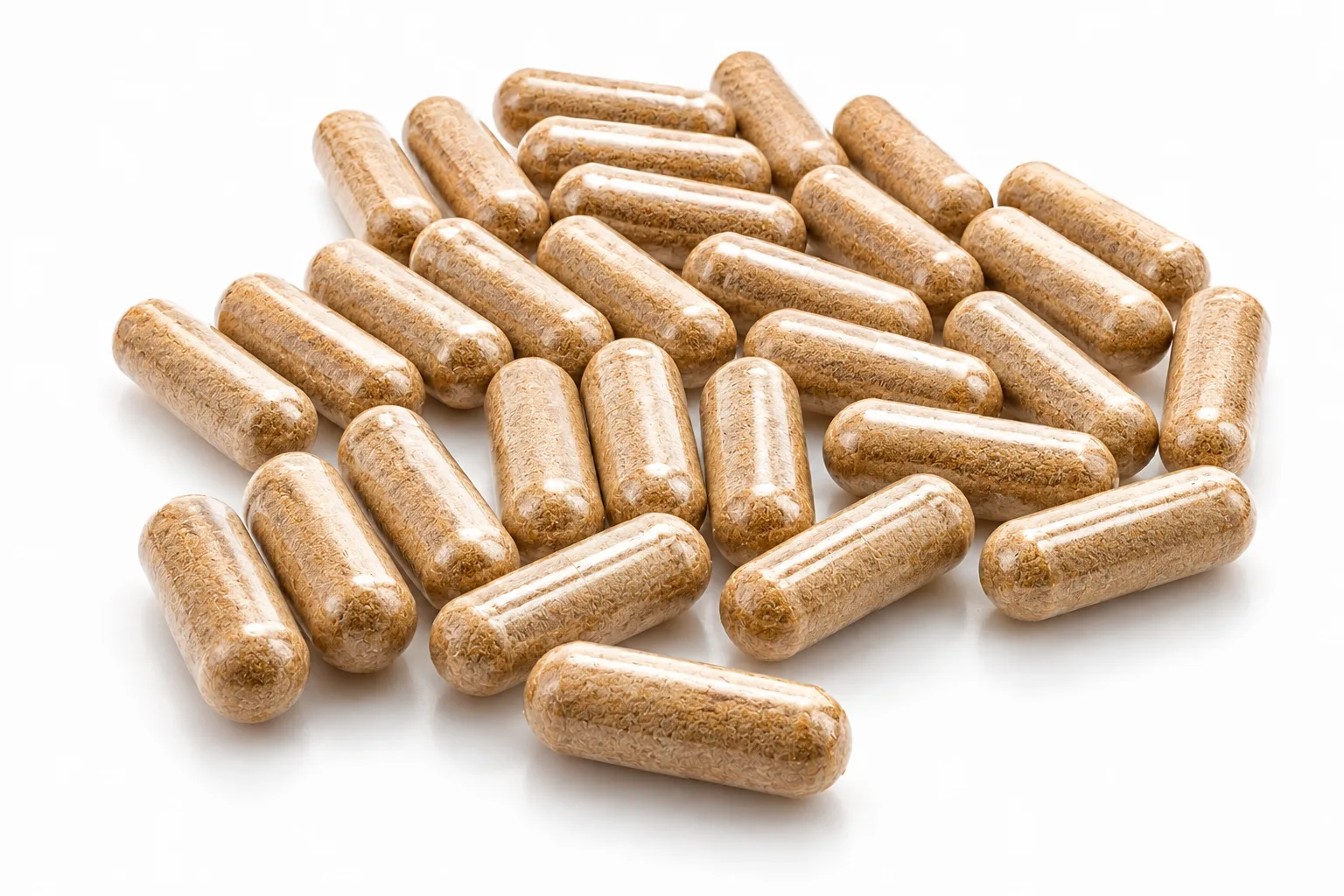
When you read the label of a vitamin and/or mineral supplement, the first temptation is for it to be as concentrated as possible, with the maximum recommended daily allowance (RDA). However, vitamins and minerals are never present in a raw, pure, molecular form, but as salts called “matrices.” The more complex the matrix, the more the body breaks it down at different times from one individual to another, providing the daily requirement at different moments after administration. The right choice should respond to your need: are you looking for a fast effect, a long-lasting effect, or a combined one?
Synthetic forms, whether or not associated with natural forms (vitamin C from citrus fruits vs. synthetic ascorbic acid), or organic magnesium salts (bisglycinate, citrate, malate) vs. inorganic salts (oxide, carbonate), determine bioavailability (how much of the substance can actually be absorbed and used by the body) and half-life (how long it takes for the absorbed dose to reach half its amount).
| Mineral / Vitamin | Forms with optimal absorption / good tolerance | Forms with reduced absorption / risk of discomfort |
|---|---|---|
| Magnesium | Bisglycinate, citrate, malate | Magnesium oxide |
| Zinc | Picolinate, gluconate, bisglycinate | Zinc sulfate |
| Vitamin B12 | Methylcobalamin | Cyanocobalamin |
The right decision depends on knowing your need and personal history. For fast effects, choose smart administration methods that are rapidly absorbed into the bloodstream (for example, Antrodia cinnamomea granules, which are absorbed sublingually) or combine them with other pharmaceutical formulations available on the market (for example, modified- or extended-release capsules).
4. Allergens and Preservatives: Their Real Role
Preservatives are not our “enemies,” but ingredients that ensure microbiological safety. A water-based product without preservatives quickly becomes a medium for bacteria and mold growth. What matters is that the preservation system is adapted to the type of product and formulated responsibly. Allergens must be mentioned, separately and clearly highlighted on the label (in bold characters).
This does not mean that every person will develop an allergic symptom to that substance — by law, the public is informed about the presence of the agent with allergenic potential or about the use of such ingredients at the production site.
Preservatives maintain the integrity of the product at least throughout its shelf life. Sometimes they are natural (cinnamon), other times synthetic (sodium benzoate). Studies showing a direct or indirect causal relationship with various conditions lead to the harmonization of legislation — to establishing their presence or their safe-use limits.
Latest-generation products use physicochemical processes such as cryodesiccation (removing water through freezing and low pressure) or extracts obtained with rare gases (argon, carbon dioxide at very high pressures) — which is why, for the same product, you may notice different shelf lives depending on the manufacturer. Most often, quality, scientific validation, value, and price are dictated by these modern procedures: 5 mg of a product obtained this way may be much more effective than 1.000 mg of a product obtained through conventional methods — with the price, of course, following the same direction.
Conclusion & Life Pro Science recommendation
Understanding the label is the best protection against misinformation. When you learn to view the INCI list as a technical sheet — not as an advertising brochure — you stop paying for packaging promises and start investing strictly in smart formulas, safe doses, and chemical forms with real bioavailability.
Continue reading in the Journal
Care routine