



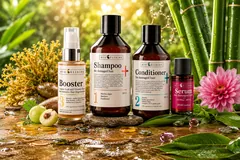
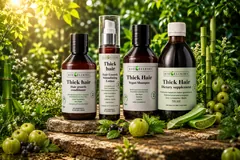

















Our attention was recently captured by hair care products formulated with postbiotic bioferments obtained from the fermentation of several plants. Because the Romanian public is still at the beginning when it comes to understanding bioferments and the scalp microbiome, like you, we wondered exactly what these ingredients mean and what beneficial effects they can have on the health of the scalp and hair strands.
Bioferments and postbiotic ingredients represent a true revolution in modern cosmetics. Through the natural fermentation process mediated by beneficial microorganisms (such as Lactobacillus, Streptococcus thermophilus, or Saccharomyces), plant extracts are broken down into much smaller molecules (amino acids, peptides, organic acids, antioxidants).
This process offers two major advantages:
- Intensive absorption: the skin and hair strand absorb micronized nutrients much more easily.
- Microbiome support: postbiotics maintain the balance of good bacteria on the skin and scalp, strengthening the natural protective barrier.
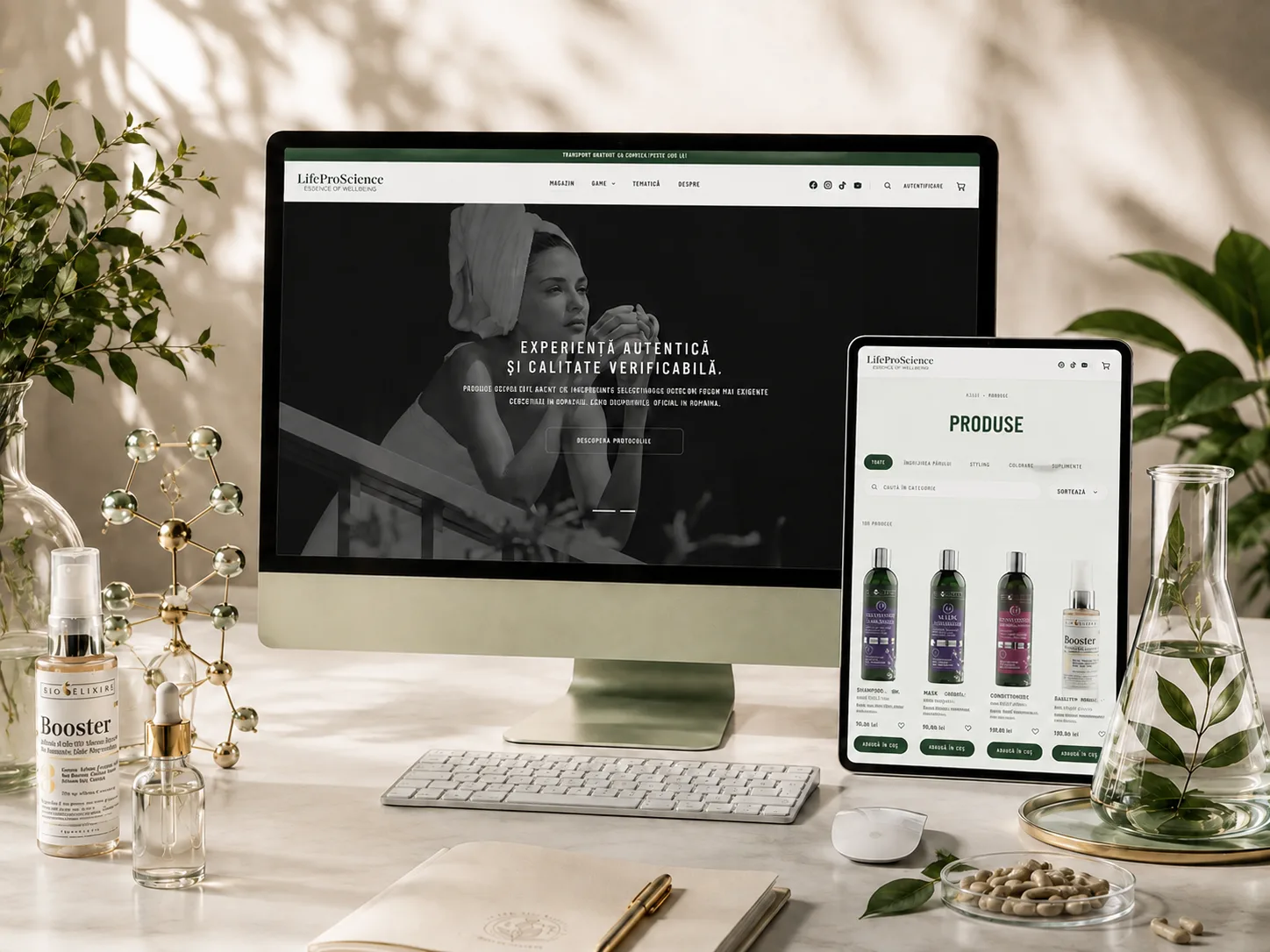
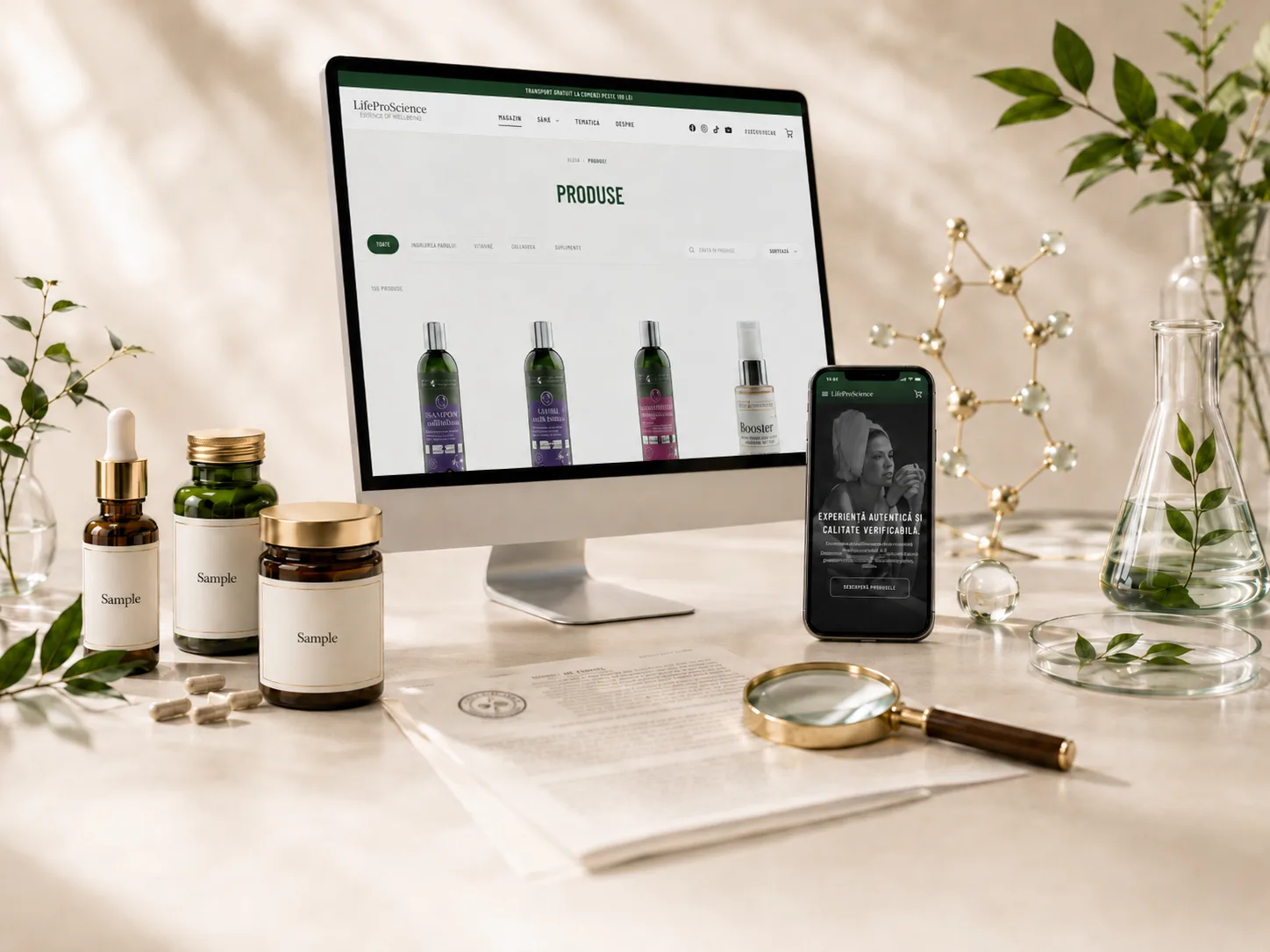
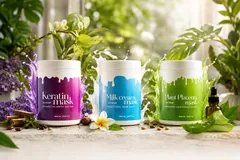
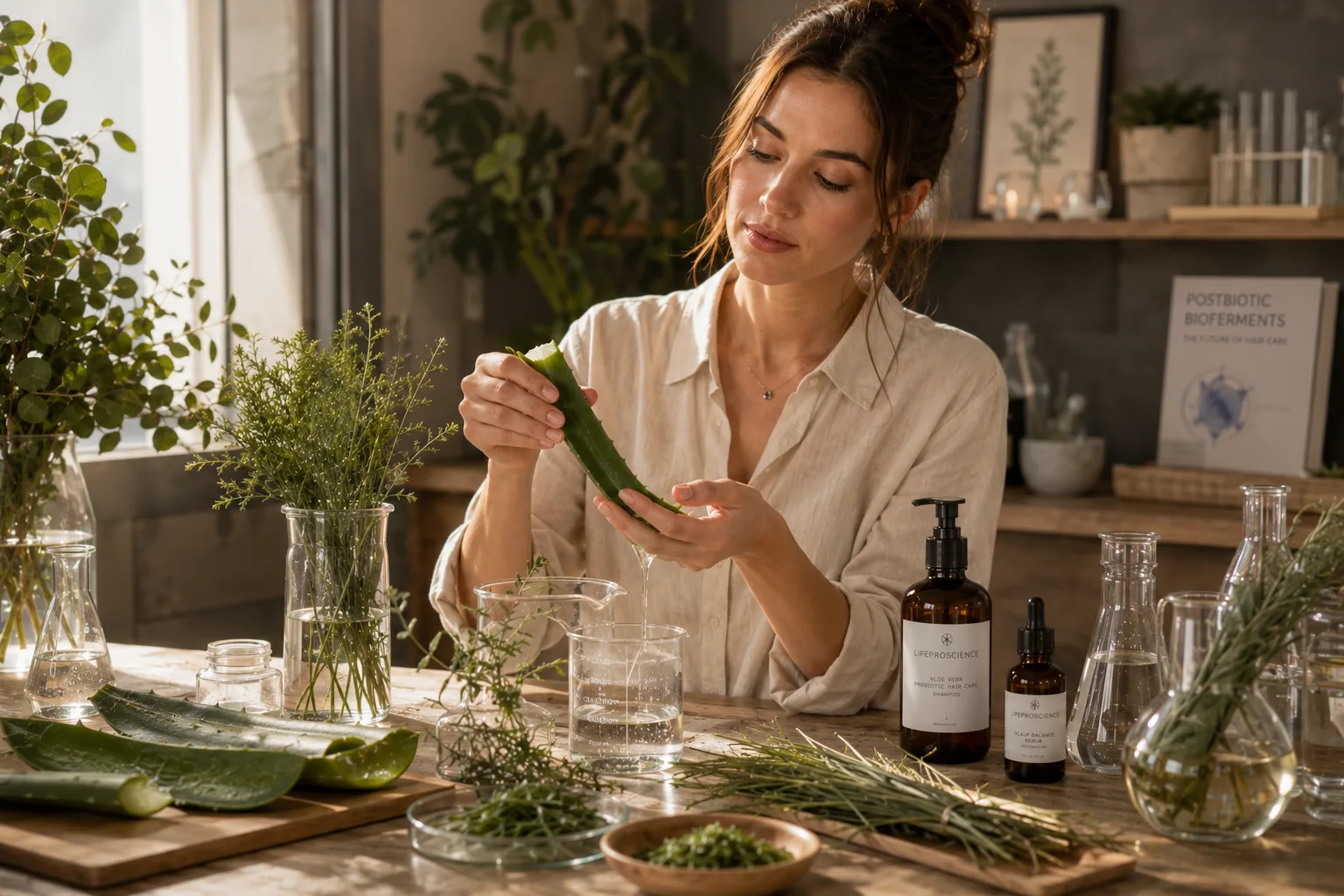
On our Site, you will discover an entire range of products with postbiotic bioferments obtained from various plants, for example from aloe vera, horsetail, and knotgrass (for example, the Daily Hair Care routines, for stimulating hair growth, Dr. Plex, professional Streaming for detangling hair, post-coloring for color-treated hair, and the permanent hair color from the Expert Be Cool 12/24-minute Range).
This specific combination of biofermented ingredients acts as a revitalizing cocktail, frequently used in the care of the scalp, hair, and damaged facial skin.
Aloe vera bioferment has a hydrating and soothing role. Aloe vera is recognized for its polysaccharide-rich gel. Through fermentation, its soothing and humectant properties become much more stable and easier to assimilate. For hair, it quickly soothes irritation, reduces redness, draws water deep into the tissue, and restores the lipid barrier without weighing it down.
Horsetail bioferment has a fortifying and structural role. Horsetail is one of the richest natural sources of organic silicon, zinc, and flavonoids. For hair, it strengthens the structure of the hair strand from root to tip, prevents breakage, and stimulates growth. For the skin, it stimulates collagen synthesis, improves elasticity, and helps regulate sebum secretion.
Knotgrass bioferment has an antioxidant and anti-aging protective role. Knotgrass is extremely rich in tannins, flavonoids, and silicic acid. Products with this type of bioferment protect cells against oxidative stress and degradation caused by UV and infrared radiation (photoaging). It has an astringent and toning effect, smoothing skin texture and restoring tissue firmness.
When these three plants are fermented together, the result is a hybrid formula: aloe vera provides a major boost of hydration, horsetail restructures and fortifies, and knotgrass protects against environmental factors and restores elasticity.
Thus, integrating the postbiotic bioferment of aloe vera, knotgrass, and horsetail offers a complete solution for restoring damaged tissues—hydrating, mineralizing, and protecting at the same time. Overall, fermentation technology transforms classic botanical ingredients into much more potent formulas, ideal for skin and hair exposed daily to stress, pollution, and chemical factors.
In addition, the bioferment in most of the hair care products with postbiotic bioferments sold on the Site also contains Yarrowia, a regenerating yeast with a metabolism completely different from that of bacteria. In short, it synthesizes beta-glucans, essential fatty acids, amino acids, and B-complex vitamins, providing deep hydration and regeneration that bacteria alone cannot achieve.
We were also fascinated by a range of hair care products that, in addition to the postbiotic bioferment of aloe vera, knotgrass, and horsetail, also contains a second postbiotic bioferment obtained by fermenting radish root with the bacterium Leuconostoc kimchii—the same beneficial bacterium traditionally used to prepare the famous Korean kimchi. During fermentation, the bacterium secretes special peptides (bacteriocins), natural antimicrobial substances. Thus, radish bioferment provides completely natural antimicrobial protection, eliminating the risk of irritation, unlike harsh chemical preservatives that “sterilize” everything and also destroy the good bacteria on the scalp. It inhibits the growth of molds and harmful bacteria (such as those that cause dandruff), without affecting the natural protective barrier (the microbiome). Since it is a naturally plant-derived product, it is very well tolerated even by people with a hypersensitive, reactive scalp prone to dermatitis or psoriasis.
In addition to the complex mentioned, the cosmetics industry uses a wide range of other bioferments and postbiotics for specific needs:
- Rice bioferment (Galactomyces / Saccharomyces) brightens the complexion, evens the look of dark spots, visibly reduces pores, and accelerates cell renewal (it is the key ingredient in the famous Korean skin care essences).
- Black tea bioferment (Kombucha) provides a plumping effect, combats glycation (the process that leads to loss of skin firmness), and gives tired skin a healthy glow.
- Biofermented oils (argan, olive) are beneficial because the fermentation process releases free fatty acids, making the oils less viscous. They absorb instantly into the skin or hair, without leaving a greasy film and without clogging pores.
Just as probiotics and fermentation work wonders for digestion, postbiotic bioferments nourish and protect the scalp. For hair care products, if we’ve convinced you to try them, apply them immediately after showering, to a slightly damp scalp (towel-dried). At this point, hydration is maximized, and the small fermented molecules can penetrate easily to seal in water and nourish the microbiome.
Conclusion & Life Pro Science recommendation
The future of body care does not belong to formulas loaded with synthetic ingredients, nor to unprocessed plant extracts, but to applied biotechnology. A product based on postbiotic bioferments from aloe vera, knotgrass, and horsetail does more than provide temporary emollience; it retrains the skin to function optimally: it supports its microbiome, stimulates collagen through bioavailable silicon, and restores the protective barrier. Choose formulas based on real absorption and respect for skin biology, not just simple green labels.
Continue reading
Back to Journal